October 04, 2026
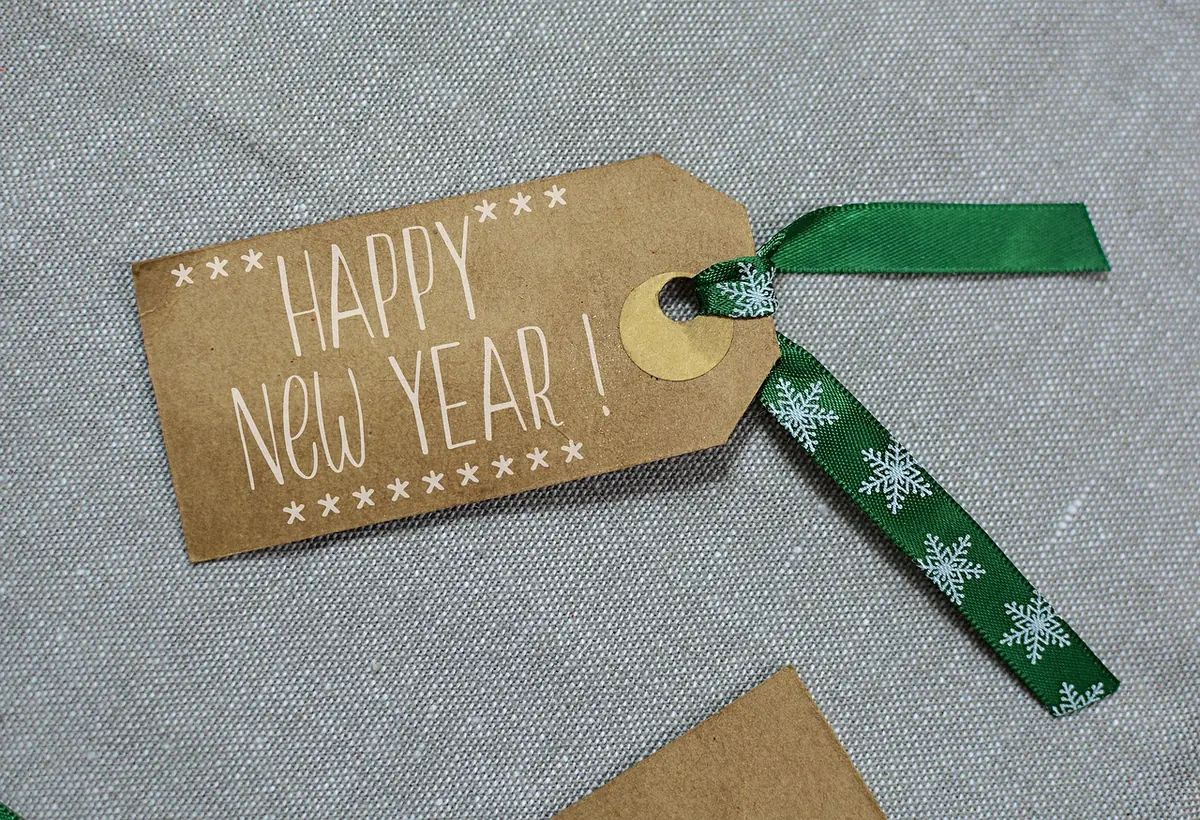
Two scarves hang side by side in a shop. One is labelled "handmade wool scarf"; the other reads "Hand-knitted in Orvieto, 100% merino lambswool, hand-dyed with madder root, cool hand wash." Both might be lovely. Only one of them tells you anything. Reading craft labels is mostly about separating words that carry information from words that carry mood, and the skill pays off whether you are looking at a mug or a weekend bag.
Start With the Material Line
Materials are the least glamorous part of a label and the most reliable. A textile label in many countries must list fibres as a percentage and, for blends, usually in descending order by weight. That order alone is revealing: "80% lambswool, 20% nylon" describes a warm jumper with a little added durability, while "20% wool, 80% acrylic" is a synthetic garment wearing a woollen costume.
Watch for blends that list no percentages at all. "Wool-rich" and "cashmere blend" sound precise and are not. A maker who is proud of the fibre will tell you exactly what it is and where it came from.
Leather labels need the same scrutiny. Full grain means the outer surface of the hide is intact, so the grain you see is the animal's own. Top grain has been sanded and often corrected. Bonded leather is reconstituted from leather fibres and a binder — it will not age the way a hide does. And "genuine leather" is a broad trade term that covers almost anything that began as an animal skin, so treat it as the start of a question rather than the answer.
For metalwork, look for stamps. Sterling silver is normally marked 925, meaning 92.5% silver. Gold is marked in karats. Gold-filled and gold-plated are not the same thing: gold-filled metal carries a much thicker layer of gold bonded to a base metal, while plating is a thin surface coat that wears through. Ceramics travel in the opposite direction — stoneware is fired dense and vitrified, earthenware is more porous and needs its glaze, porcelain is finer and fired higher. Wood labelled "solid oak" is different from "oak veneer on engineered board," and both are different from "oak effect."
What Technique Words Actually Promise
Technique language is where labels get slippery, because many of these terms have no fixed legal meaning. The trick is to ask what the word describes and how much of the making it accounts for.
Forming
Hand-thrown ceramics are shaped on a wheel by a person, which usually shows in slight variations of wall thickness and a spiral on the base. Hand-built means shaped with coils or slabs rather than thrown. Slip-cast pieces are poured into moulds — a legitimate method, but a different one, and a label that says "handmade ceramic" without saying which is telling you less than it could.
Assembly
Hand-stitched leather goods are usually saddle-stitched: two needles, one waxed thread, a stitch that cannot unravel from a single break. Machine stitching is faster and perfectly strong, but it is a lockstitch, and the thread sits at a different angle. Hand-forged metal is hammered from bar stock, so the surface has tool marks and the shape tapers where it was worked; cast pieces come out of a mould, smooth and uniform.
Finishing
Here is where careful reading matters most. Hand-finished is a genuine claim — someone did sand, wax, or burnish the piece — but it describes the last stage of the job, not the whole of it. A factory-turned bowl finished by hand can carry that phrase honestly. If what you want is a piece made by hand from start to finish, look for language that names the forming step, not just the polish.
Origin: Place Names, Maker Marks, and Workshop Names
A country-of-origin statement tells you where a product was made according to the labelling rules of the market it is sold in, and those rules vary by country and by product category. It is a starting point, not a biography. "Made in Italy" can describe a workshop of three people or a factory of three hundred.
The more specific the geography, the more it tells you. "Made in Tuscany" beats "Made in Italy"; a town and a studio name beat both. Look for a maker's mark: a potter's stamp pressed into the base, a silversmith's hallmark, a date code stamped inside a leather bag, a signature under a glaze. These marks exist because someone expected to be identified with the work.
When the label gives you a name, use it. Look up the workshop, read how they describe their process, and see whether the story matches the object in your hands. Two questions settle most of it: where is the workshop, and who physically made this?
Care Instructions Are a Confession
Read the care line last, because it often explains the construction. "Hand wash separately in cool water" on a naturally dyed textile is a quiet admission that the colour may release at first. "Wipe with a damp cloth only" suggests a finish that will not tolerate soaking. "Do not fold" points to a stiff leather or a brittle glaze. "Dry clean only" on wool is not necessarily a sign of fragility — it is often the manufacturer's safest recommendation.
Vague Words and Quiet Red Flags
- "Artisan-style," "handcrafted feel," "made in the tradition of." Style and feel are adjectives about appearance, not statements about who made the thing.
- No fibre percentages, no metal stamp, no material named at all.
- Technique claims with no detail. "Handmade" alone invites the follow-up question: which parts?
- Certifications named but not identified. A real scheme will have a logo, a number, or a body you can look up.
- No maker, no workshop, no place. An object with no author is usually an object with a supply chain.
- A story that outruns the object. If the label waxes lyrical about heritage but cannot name the leather or the glaze, the priority is clear.
A Five-Minute Routine for Any Label
- Find the material line and read the percentages. If there are none, ask.
- Identify the forming technique, not just the finish. Thrown, forged, stitched, woven, cast.
- Look for a place and a maker. The narrower the geography, the better the information.
- Turn the object over. Bases, hems, spines, and inside seams usually carry the stamp, the batch code, or the second label.
- Read the care instructions as a clue to construction, then decide whether you are willing to meet those terms.
- Ask the seller one specific question. "Who made this, and what did they do by hand?" A good maker answers with pleasure; a vague one answers with adjectives.
None of this requires expertise, only a habit of slowing down for thirty seconds at the label. Once you know what to look for, the vague phrases become almost invisible and the precise ones stand out — and you will find yourself gravitating toward the makers who bothered to write them.
Photo: monicore / Pixabay